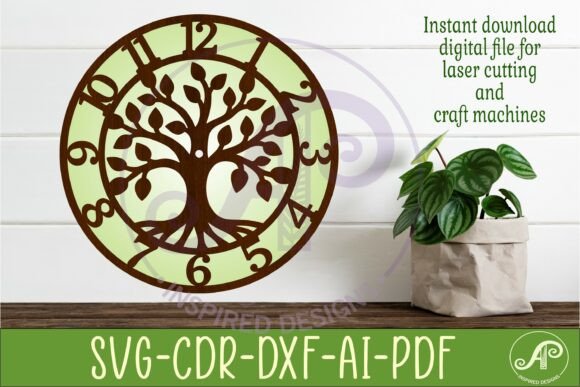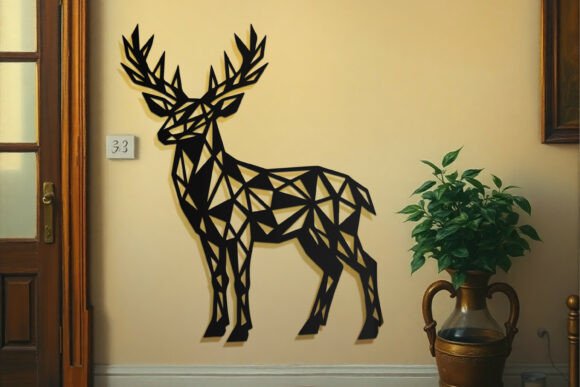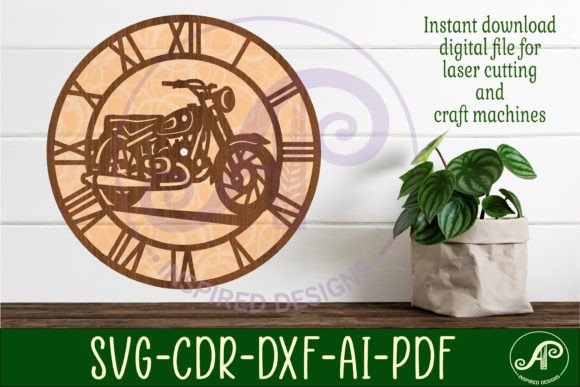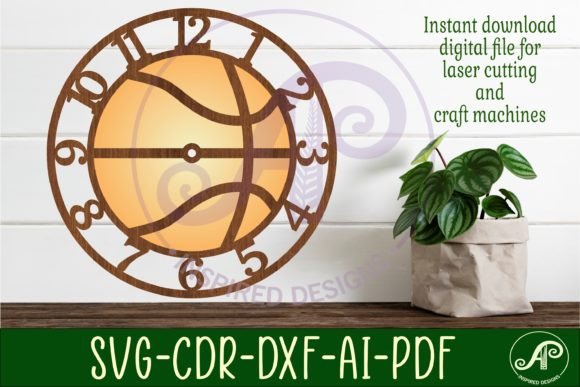
Clock Wall Polygonal: Geometric Laser Art
There is a distinct satisfaction in watching a digital file transform into a tangible object. For designers, makers, and small business owners, the bridge between concept and reality is often built on precision cutting and material selection. The Clock Laser Cut Clock Wall Polygonal Las design represents more than just a timekeeping device; it is a statement piece that merges mathematical geometry with organic warmth. This multilayer layout is not merely a functional item but a creative asset designed specifically for laser cutters, CNC routers, and other precision cutting machines.
In an era where home decor often leans toward mass-produced uniformity, handmade geometric wooden wall clocks offer a refreshing counterpoint. Inspired by structural geometry, this design brings a contemporary edge to interior spaces. Whether you are a hobbyist looking to upgrade your living room or an entrepreneur seeking unique products for your Etsy shop, understanding the nuances of this polygonal design can elevate your final output from simple craft to curated art.
The Visual Language of Geometric Layering
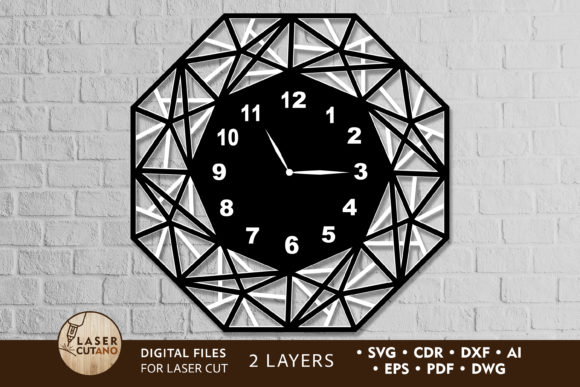
The appeal of the CLOCK WALL POLYGONAL lies in its depth. Unlike flat, single-layer cuts, this design utilizes a multilayer layout to create shadow, dimension, and visual interest. When assembled, the interplay between the layers transforms a two-dimensional vector file into a three-dimensional object. This technique is particularly effective with materials like plywood, MDF, or acrylic, where the edge grain or transparency adds texture to the overall composition.
Visually, the polygonal structure taps into the modern fascination with low-poly aesthetics and sacred geometry. It feels both futuristic and timeless. The sharp angles contrast beautifully with the circular motion of the clock hands, creating a dynamic tension that draws the eye. For brand strategists and interior designers, this balance is crucial. It suggests order and precision without feeling sterile. The "bohemian" touch mentioned in many design circles comes from the natural imperfections of wood combined with the rigid logic of the geometric pattern. It is this juxtaposition that makes the piece feel unique rather than manufactured.
When working with files provided in formats such as .AI, .SVG, .DXF, .DWG, .CDR, .EPS, and .PDF, versatility is key. These formats ensure compatibility across various software ecosystems, from Adobe Illustrator to CorelDRAW and CAD programs. However, the true magic happens during assembly. Each layer of the multilayer model must be cut with precision. The recommended material thickness of 3–6 mm (approximately 1/8 to 1/4 inch) is critical. Too thin, and the layers lack presence; too thick, and the clock mechanism may not fit, or the proportions may look bulky. Understanding these physical constraints is part of mastering the medium.
Strategic Applications for Creators and Brands
While often viewed through the lens of home decor, the principles behind the Clock Laser Cut Clock Wall Polygonal Las extend into broader creative applications. For entrepreneurs and marketers, this type of design asset serves as an excellent example of how geometric consistency can strengthen brand identity. Imagine using similar polygonal motifs in your logo design or packaging design. The clean lines and modular nature of polygons translate well across different media, ensuring that your visual language remains consistent whether it is printed on a business card or cut into wood.
For publishers and content creators, the study of this clock’s layout offers lessons in editorial design and hierarchy. Just as the layers of the clock build upon one another to create a focal point, typography and layout in print or web design rely on layering information to guide the reader’s eye. The polygonal aesthetic pairs exceptionally well with modern typography, particularly sans serif font choices that share the same geometric DNA. A clean, geometric sans serif can mirror the angles of the clock, creating a cohesive look for social media graphics or promotional materials.
Consider the psychological impact of such designs. Geometric shapes are often associated with stability, efficiency, and professionalism. By incorporating these elements into your product line or marketing materials, you subtly communicate these values to your audience. This is not just about aesthetics; it is about perception. A well-executed geometric piece suggests attention to detail and a commitment to quality. For small business owners selling design assets or finished goods, this perception can justify premium pricing and foster customer loyalty.
Practical Guidance for Execution and Licensing
Turning a digital download into a polished product requires careful planning. When you purchase a file like the CLOCK WALL POLYGONAL multilayer layout, you are buying potential. Realizing that potential depends on your approach to material selection, machine settings, and finishing. Here are practical steps to ensure success:
- Evaluate Project Fit: Before cutting, consider the environment where the clock will hang. A 15 x 15 inch finished product is substantial but not overwhelming. It works well in living rooms, offices, or entryways. If you plan to scale the design up, remember that thin elements may become fragile. If scaling down, ensure that the intricate geometric details do not become too small to cut cleanly or see clearly.
- Material Matters: While plywood and MDF are standard choices due to their affordability and ease of cutting, experimenting with acrylic or plexiglas can create a stunning modern look. Acrylic allows light to pass through, highlighting the layered structure. Metal cutting requires different tools but offers an industrial chic vibe. Always test your speed and power settings on scrap pieces of the same material and thickness before committing to the final cut.
- Font and Type Pairing: If you are customizing the clock face or creating accompanying marketing materials, choose your typeface wisely. A display font with geometric characteristics will complement the clock’s structure. Avoid overly ornate script fonts or handwritten fonts unless you are intentionally aiming for a high-contrast, eclectic mix. For a cohesive look, stick to clean, premium font options that prioritize readability and structural integrity.
- Licensing and Commercial Use: Always review the license agreement attached to your download. Most digital design assets come with specific terms regarding commercial use. If you plan to sell the finished clocks or use the design in client projects, ensure you have the appropriate commercial font or design license. Respecting intellectual property rights is fundamental to professional practice.
- Assembly and Finishing: The beauty of a multilayer design is revealed in the assembly. Use high-quality wood glue and clamps to ensure tight bonds between layers. Sanding edges smoothly is essential for a professional finish. Consider staining or painting the layers different shades to accentuate the depth. A dark stain on the bottom layer and a natural finish on the top can create a striking visual effect.
Ultimately, the Clock Laser Cut Clock Wall Polygonal Las is a tool for creativity. It invites you to engage with the process of making, to understand the relationship between digital files and physical objects, and to create something that adds genuine value to a space. Whether you are refining your font pairing skills, expanding your product line, or simply decorating your home, the principles of geometry, layering, and precision apply. Embrace the process, respect the materials, and let the design speak for itself.