Creating Depth and Memory: The Art of the Multilayer Photo Frame
There is a distinct difference between hanging a photograph on a wall and curating an experience around it. Standard frames serve a functional purpose, protecting the print and offering a border. However, they often feel flat, both literally and visually. This is where the concept of a multilayer photo frame changes the game. By introducing depth, shadow, and geometric complexity, these frames transform a simple 5x7 inch image into a piece of three-dimensional art. For DIY enthusiasts, crafters, and small business owners, this isn't just about decoration; it is about leveraging modern fabrication tools to create something tangible and emotionally resonant.
Why Geometry Matters in Modern Home Décor
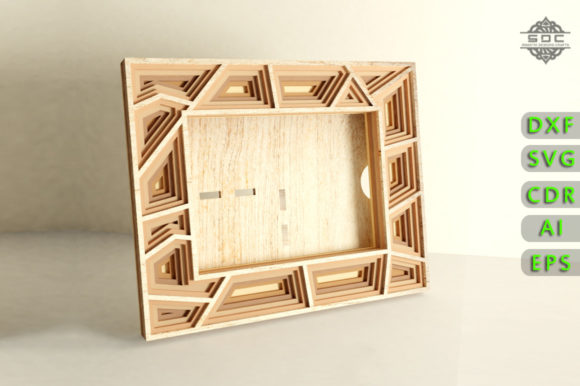
We live in an era of minimalism, yet pure minimalism can sometimes feel sterile. The multilayer photo frame bridges the gap between clean lines and visual interest. By utilizing a geometrical pattern, the frame adds texture without overwhelming the subject. The interplay of light and shadow across six distinct layers creates a dynamic viewing experience that changes depending on the time of day and the angle of ambient light.
For homeowners and renters alike, this offers a solution to the "blank wall" problem. A standard frame might get lost on a large wall, but a layered frame with a 4 mm thickness per layer commands attention. It acts as a focal point. Whether you are decorating a living room, a home office, or a hallway, the added depth draws the eye in, inviting viewers to look closer at both the frame’s craftsmanship and the memory captured within.
The Maker’s Advantage: Precision and Versatility
If you are a creator, freelancer, or small business owner, the appeal of the multilayer photo frame lies in its manufacturability. These designs are specifically engineered for laser cutting and crafting, making them accessible to anyone with access to a laser cutter, CNC machine, or even a high-precision scroll saw. The files included—typically in DXF, AI, SVG, EPS, and CDR formats—ensure compatibility with almost every design software and hardware setup.
This versatility allows for significant customization. You are not locked into a single aesthetic. By choosing different materials, you completely alter the vibe of the final product:
- MDF and Wood: Ideal for a rustic, warm, or natural look. These materials stain beautifully and offer a classic feel that suits traditional homes.
- Acrylic and Plexiglass: Perfect for modern, sleek interiors. Clear or colored acrylics can create a floating effect, especially if you use contrasting colors for each layer.
- Metal: For an industrial or high-end boutique feel, metal layers add weight and permanence.
- Foam and Leather: These unconventional choices can add softness and texture, great for nurseries or cozy reading nooks.
The recommended material thickness of 4 mm is crucial. It provides enough structural integrity to stand on its own while allowing the laser to cut intricate geometric patterns without burning through or losing detail. This specific dimension ensures that the six layers stack neatly, creating a substantial frame that feels premium to the touch.
Real-World Use Cases: Beyond the Living Room Wall
While home décor is the most obvious application, the utility of a multilayer photo frame extends far beyond personal living spaces. Understanding where and why people use these frames can unlock new opportunities for creators and marketers.
Personalized Gifting with Emotional Impact
Finding a meaningful gift for friends and loved ones is often challenging. Generic store-bought items lack personal connection. A custom-made multilayer frame, however, shows effort and thoughtfulness. Imagine gifting a framed photo of a shared travel memory, encased in a geometric frame cut from wood sourced from that specific region, or perhaps using colors that match the recipient’s interior design. It transforms a simple photo into a heirloom. For weddings, anniversaries, or graduations, these frames serve as keepsakes that recipients are likely to display prominently rather than store away in a box.
Small Business and Retail Displays
Entrepreneurs and shop owners can utilize these frames for product displays or branding. A boutique hotel might use them to showcase local art or historical photos of the building, adding character to guest rooms. Cafés and restaurants can use them to display menu highlights or artist collaborations. Because the frames are customizable, businesses can match their brand colors by painting the MDF or selecting specific acrylic tints. This consistency in décor helps reinforce brand identity in a subtle, sophisticated way.
Educational and Community Projects
Educators and community leaders can use the process of creating these frames as a teaching tool. Workshops focused on laser cutting, design, or assembly can help students understand spatial reasoning, material properties, and digital fabrication. The step-by-step assembly of six layers teaches patience and precision. Furthermore, schools can use these frames to display student artwork, giving young artists a professional-looking platform for their creations.
Technical Considerations for Best Results
Before diving into production or purchase, there are practical factors to consider to ensure the final product meets expectations. The design specifies a 5 inch x 7 inch photo size, which is a standard dimension. However, when working with multiple layers, alignment is key. Users should ensure their cutting equipment is calibrated correctly to avoid misalignment between the six layers. Even a millimeter of drift can disrupt the geometric symmetry.
Material choice also affects assembly. If you are using acrylic, you may need specific adhesives that do not fog the clear surfaces. With wood or MDF, sanding the edges after cutting can enhance the finish, especially if you plan to paint or stain the frame. Additionally, consider the backing. A sturdy backing board is essential to hold the photo and the layered frame together securely, especially if the frame will be hung vertically.
For those downloading files, verify the scale. Digital files can sometimes resize incorrectly when opened in different programs. Always measure a test cut on scrap material before committing to your final stock. This simple step saves time, money, and frustration.
The Value of Handcrafted Aesthetics in a Digital World
In an age where most of our interactions are digital, physical objects carry more weight. A multilayer photo frame represents a return to tangibility. It is an object that occupies space, casts shadows, and requires human interaction to assemble and appreciate. For the maker, it is a satisfying project that yields a high-value result. For the recipient or viewer, it is a reminder of the care put into preserving a moment.
Whether you are a hobbyist looking for a weekend project, a designer seeking unique décor elements, or a business owner aiming to elevate your brand presentation, the multilayer photo frame offers a blend of functionality and artistry. It proves that with the right tools and designs, everyday items can be transformed into extraordinary statements. The geometric patterns do not just hold a photo; they frame a narrative, adding depth to the stories we choose to keep close.
By understanding the materials, the process, and the potential applications, you can maximize the value of this versatile design. It is not just about cutting shapes; it is about creating connections, enhancing spaces, and celebrating memories in a way that flat surfaces simply cannot achieve.