Exploring the Lizard 3D Layered SVG for Modern Home Decor and Creative Crafting
The intersection of digital design and physical craftsmanship has opened new avenues for personalized home decor, with layered vector art standing at the forefront of this movement. Among the various motifs available to crafters, the Lizard 3D Layered SVG has emerged as a compelling choice for those seeking to add texture and depth to their living spaces. This design format is not merely a static image; it is a blueprint for creating tangible, multi-dimensional art pieces that play with light, shadow, and perspective. Whether you are an experienced maker or a beginner looking to explore the capabilities of your cutting machine, understanding the nuances of this specific design can help you determine if it aligns with your creative goals and technical constraints.
Understanding the Mechanics of Multilayer Design
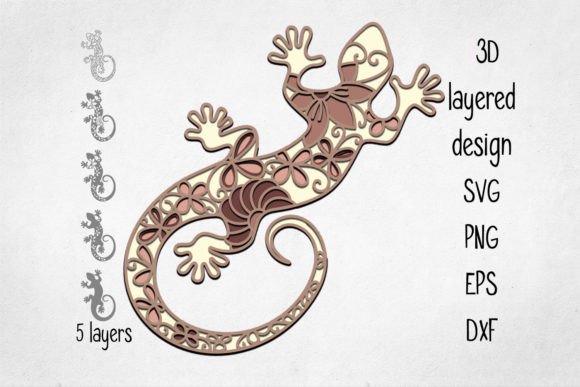
At its core, a 3D layered SVG differs significantly from traditional single-layer cut files. While standard vectors produce a flat silhouette, the Lizard 3D Layered SVG is constructed from multiple distinct components that stack upon one another. This layering technique mimics the visual depth found in paper quilling or shadow box art. The lizard motif, with its organic curves, scales, and potential for intricate detailing, serves as an ideal subject for this medium because it allows for gradual transitions in depth.
The design typically consists of several layers, each representing a different plane of the image. When assembled, these layers create a sense of volume. One of the most appealing aspects of this approach is its modularity. You are not bound to use every single layer provided in the file. For a subtler aesthetic, you might choose to utilize only one or two layers, creating a minimalist relief effect. Conversely, using all layers maximizes the three-dimensional impact. This flexibility allows creators to tailor the complexity of the project to their skill level and the intended display environment.
Material Selection and Structural Integrity
The success of a 3D layered project relies heavily on material choice. The Lizard 3D Layered SVG is versatile enough to be cut from various substrates, but each material offers different aesthetic and structural properties. Card stock is a popular choice for indoor wall decor due to its ease of cutting and wide range of color options. It allows for vibrant, high-contrast combinations that can highlight the separation between layers. However, card stock is delicate and may warp over time if not properly mounted or sealed.
For a more durable and premium finish, many crafters turn to wood, plywood, or MDF (Medium-Density Fiberboard). These materials provide rigidity and a natural texture that complements the organic nature of a lizard design. When using wood or MDF, the thickness of the material becomes a critical factor in the final appearance. Thicker materials create more pronounced shadows between layers, enhancing the 3D effect. Plastic and acrylic are also viable options, particularly for modern or industrial-style interiors, offering a sleek, glossy finish that reflects light differently than matte paper or wood.
It is important to note that the recommended size for this specific design is 7.3x11 inches (approximately 18x28 cm). This dimensions provides a balanced scale where the details remain visible without becoming overly fragile. While the design is scalable, reducing it significantly can lead to structural issues. Thin elements within the lizard’s form, such as toes, tail tips, or fine scale details, may become too delicate to handle or cut cleanly at smaller sizes. Therefore, if you intend to create a miniature version, you must carefully evaluate the integrity of these finer points to ensure the final product remains intact.
Comparing Layered SVGs to Alternative Decor Styles
When evaluating decor options, it is helpful to compare the Lizard 3D Layered SVG against other common crafting approaches. Traditional flat vinyl decals, for instance, are easy to apply and cost-effective but lack the tactile depth and artistic presence of a layered piece. Vinyl sits flush against the wall, whereas a layered SVG project protrudes, interacting with ambient light to cast dynamic shadows that change throughout the day.
Another alternative is hand-carved wood art. While carving offers unparalleled customization and texture, it requires significant time, specialized tools, and advanced woodworking skills. In contrast, using a digital layered SVG with a cutting machine democratizes this aesthetic. It allows individuals without carving expertise to achieve a similar look with greater precision and repeatability. However, this comes with the tradeoff of relying on digital files and machinery, which may feel less "handmade" to some purists.
Digital printing is another common route for wall art. Prints can capture photorealistic detail and color gradients that are difficult to achieve with physical layers. Yet, they often lack the physical presence and artisanal quality of a constructed piece. The Lizard 3D Layered SVG occupies a middle ground: it offers the precision of digital design with the tangible, handcrafted appeal of physical assembly. This makes it particularly suitable for gifts, where the effort of assembly adds sentimental value that a store-bought print cannot match.
Technical Compatibility and File Formats
Before purchasing or downloading any digital design, ensuring compatibility with your equipment is essential. The Lizard 3D Layered SVG is typically distributed in a ZIP folder containing multiple file formats to accommodate various software and machines. Understanding these formats can streamline your workflow.
- SVG (Scalable Vector Graphics): This is the most common format for web-based cutting software and many desktop applications. It contains all layers, allowing you to manipulate each component individually within your design program.
- PNG (Portable Network Graphics): Included at 300 dpi with a transparent background, this raster image is useful for previewing the design, creating digital mockups, or using in sublimation projects where layering is handled visually rather than physically.
- EPS (Encapsulated PostScript): A vector format widely supported by professional graphic design software like Adobe Illustrator. It is ideal for users who wish to edit the vector paths extensively before sending them to a cutter.
- DXF (Drawing Exchange Format): Often required by older or specific industrial cutting machines and some CAD software. Like the SVG and EPS, it contains all layers for precise cutting instructions.
Users should verify that their cutting machine and associated software can interpret at least one of these vector formats. Most modern consumer-grade cutters handle SVG and DXF files seamlessly, but checking your specific model’s requirements prevents frustration during the preparation phase.
Design Customization and Color Theory
One of the strongest advantages of the Lizard 3D Layered SVG is the freedom it offers in color selection. Since each layer is cut separately, you can mix and match colors to suit your interior palette. A monochromatic scheme, using varying shades of a single color, can create a sophisticated, subtle look that emphasizes shape over hue. Alternatively, high-contrast combinations, such as black layers against a white background, can dramatize the depth and make the lizard’s features pop.
For those using wood or natural materials, staining or painting each layer differently can enhance the perception of depth. Darker stains on deeper layers and lighter finishes on top layers can mimic natural lighting effects. This level of customization ensures that the final piece integrates seamlessly with existing decor, whether the style is rustic, modern, bohemian, or eclectic.
Making the Right Choice for Your Project
Deciding whether the Lizard 3D Layered SVG is the right choice depends on your priorities. If you value tactile art, enjoy the process of assembly, and want a unique conversation piece for your home, this design is an excellent candidate. It is particularly well-suited for nature enthusiasts, reptile lovers, or anyone looking to introduce organic shapes into their decor.
However, if you are seeking a quick, zero-effort solution, or if you need a large-scale mural where weight and mounting become significant logistical challenges, a printed poster or flat decal might be more practical. Additionally, if you do not have access to a cutting machine or the patience for meticulous assembly, the barriers to entry may be higher than desired.
Ultimately, the Lizard 3D Layered SVG represents a blend of digital precision and analog craftsmanship. It offers a rewarding creative experience that results in a distinctive, high-quality decor item. By considering material options, size constraints, and your own willingness to engage in the assembly process, you can determine if this layered approach aligns with your creative vision and practical needs.