Mastering the Fairy Flower Laser Cut Svg Design for Precision Crafting
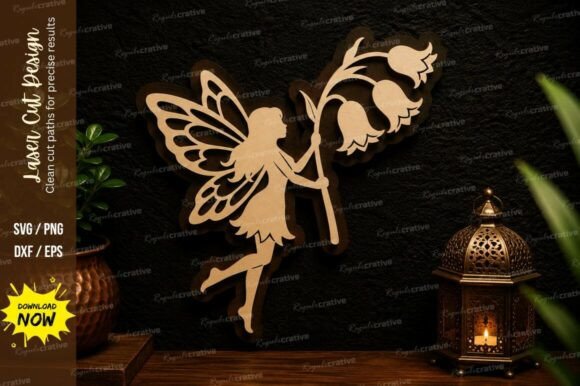
In the evolving landscape of digital fabrication, the intersection of whimsical aesthetics and technical precision has created a unique niche for creators. Among the most captivating resources available to modern makers is the Fairy Flower Laser Cut Svg Design Fairy. This premium quality laser cutting design file set represents more than just a digital asset; it is a gateway to producing intricate, professional-grade projects with minimal friction. For hobbyists, educators, small business owners, and industrial designers alike, understanding the nuances of such high-quality vector files is essential for maximizing the potential of laser cutting technology.
The demand for ready-to-use, versatile design files has surged as laser cutters become more accessible. However, not all digital files are created equal. The distinction between a standard image and a professionally prepared vector design lies in the cleanliness of the paths, the compatibility of formats, and the ease of integration into various software ecosystems. This article explores the technical advantages, practical applications, and workflow efficiencies offered by premium design sets, focusing on how they empower users to achieve smooth and precise cutting results.
The Technical Advantage of Premium Vector Formats
At the core of any successful laser cutting project is the integrity of the source file. The Fairy Flower Laser Cut Svg Design Fairy package is distinguished by its inclusion of multiple popular formats: SVG, EPS, PNG, DXF, and PDF. Each format serves a specific purpose in the digital fabrication workflow, ensuring compatibility with a wide range of laser cutting machines and design software.
SVG (Scalable Vector Graphics) is arguably the most critical format for modern hobbyists and professionals using software like Adobe Illustrator, CorelDRAW, or browser-based tools. As a vector format, SVG allows for infinite scalability without loss of quality. This means that whether you are creating a delicate jewelry piece or a large-scale wall decoration, the lines remain crisp and precise. Unlike raster images, which pixelate when enlarged, vectors maintain their mathematical definition, ensuring that the laser follows the exact path intended by the designer.
DXF (Drawing Exchange Format) remains the industry standard for many industrial CNC machines and older laser systems. By including DXF, this design set ensures that users with specialized or legacy hardware can still access high-quality designs without needing complex conversion tools. Similarly, EPS (Encapsulated PostScript) provides robust compatibility with professional graphic design suites, allowing for easy editing of nodes and paths before sending the file to the cutter.
The inclusion of PNG and PDF formats adds another layer of utility. PNGs are useful for previewing designs, creating marketing materials, or using in sublimation printing processes where a raster image is required. PDFs offer a universal way to view and print templates, making them ideal for manual prototyping or educational settings where students may not have access to advanced vector editing software.
Material Versatility and Application Scenarios
One of the most compelling features of a well-optimized laser cut design is its adaptability across different materials. The clean vector paths found in the Fairy Flower Laser Cut Svg Design Fairy set make it suitable for a diverse array of substrates, including wood, acrylic, metal, and paper. Understanding how these materials interact with laser technology is crucial for achieving optimal results.
- Wood and Plywood: Laser cutting wood produces a characteristic charred edge that adds rustic charm to fairy-themed designs. The intricate details of flower petals and fairy wings benefit from the contrast between the natural grain and the darkened cuts. Thin plywood, such as birch or basswood, is ideal for layered 3D assemblies, allowing creators to build depth and dimension into their projects.
- Acrylic: For a more modern and polished look, acrylic offers vibrant color options and a glossy finish. When cutting acrylic, the precision of the vector file ensures that edges are smooth and free from jagged artifacts. This material is particularly effective for decorative lighting fixtures, where the translucency of the plastic can highlight the delicate patterns of the fairy and flower motifs.
- Paper and Cardstock: Intricate paper cutting, often referred to as papercraft, relies heavily on the complexity of the design. The fine lines and detailed structures in this design set allow for stunning greeting cards, shadow boxes, and wedding invitations. Paper requires lower power settings and faster speeds, making the clean paths of the SVG essential to prevent tearing or burning.
- Metal: While typically requiring fiber lasers rather than CO2 lasers, thin metals can be engraved or cut using appropriate machinery. The scalability of the vector files ensures that designs can be adjusted to meet the specific tolerance requirements of metal fabrication.
These applications demonstrate the versatility of the design file. Whether creating a whimsical nursery mobile, a sophisticated wedding centerpiece, or a custom piece of jewelry, the underlying quality of the digital file dictates the success of the physical output.
Workflow Efficiency and Ease of Use
Time is a valuable resource for any creator. The promise of an "instant download" and "easy to use" experience is not merely a marketing claim but a significant productivity booster. Traditional design processes can involve hours of drafting, vectorizing, and troubleshooting path errors. By utilizing a pre-prepared package like the Fairy Flower Laser Cut Svg Design Fairy, users bypass these initial hurdles and move directly to the production phase.
The files are carefully prepared for smooth and precise cutting, meaning that common issues such as open paths, overlapping lines, or non-closed shapes have already been resolved. This level of preparation is critical for laser cutting, where the machine interprets every line as a cut or engrave command. An unclosed path can result in incomplete cuts, while overlapping lines can cause the laser to pass over the same area twice, leading to excessive burning or material damage.
Furthermore, the ability to resize without losing quality empowers users to customize projects to fit specific dimensions. A designer might start with a standard size but need to adjust the dimensions to fit a particular frame or object. With raster images, this process degrades the image quality. With the vector formats provided in this set, resizing is instantaneous and mathematically perfect, preserving the integrity of every curve and angle.
Considerations for Optimal Results
While high-quality files provide a strong foundation, achieving professional results also depends on the user’s understanding of their equipment and materials. Here are several considerations to keep in mind when working with laser cut designs:
- Machine Calibration: Ensure that your laser cutter is properly calibrated. Focus height, bed leveling, and mirror alignment can all affect the precision of the cut. Even the best vector file cannot compensate for mechanical inaccuracies.
- Power and Speed Settings: Different materials require different combinations of laser power and cutting speed. It is advisable to perform test cuts on scrap material to determine the optimal settings for your specific machine and material thickness.
- Kerf Compensation: The laser beam removes a small amount of material during cutting, known as the kerf. For projects requiring tight fits, such as interlocking joints, accounting for kerf in your design or software settings is essential.
- Software Compatibility: While the files are compatible with most software, understanding how your specific program imports and handles vectors can prevent unexpected issues. For instance, some programs may group elements differently, requiring ungrouping before assigning cut and engrave layers.
By combining premium design assets with informed operational practices, creators can consistently produce high-quality results. The Fairy Flower Laser Cut Svg Design Fairy serves as a reliable tool in this process, offering the technical reliability needed to bring creative visions to life.
Empowering Creativity Across Industries
The impact of accessible, high-quality digital design files extends beyond individual hobbyists. Educators can use these resources to teach students about geometry, design principles, and manufacturing technologies. Small business owners can rapidly prototype products or create custom merchandise without investing in expensive design services. Researchers and developers can utilize these files to explore new materials and fabrication techniques.
In essence, the value of this design set lies in its ability to democratize high-end fabrication. By removing the technical barriers associated with vector creation, it allows users to focus on creativity, innovation, and execution. Whether you are crafting a single gift or producing a batch of commercial items, the reliability and versatility of the Fairy Flower Laser Cut Svg Design Fairy make it an indispensable asset in the modern maker’s toolkit.
As technology continues to advance, the synergy between digital design and physical fabrication will only grow stronger. Embracing tools that offer precision, compatibility, and ease of use is key to staying competitive and inspired in this dynamic field. With the right resources, the possibilities for creation are limited only by imagination.