Cute UNICORN Layered 3D: A Practical Guide to Digital Crafting Success
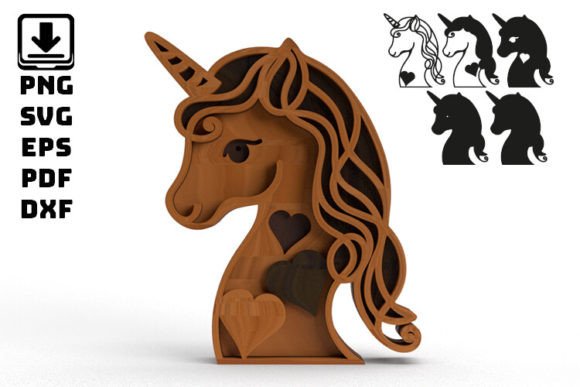
The allure of layered paper crafts and laser-cut decor lies in their ability to transform flat materials into tangible, dimensional art. The Cute UNICORN Layered 3D design captures this magic, offering a whimsical yet sophisticated project for creators. However, the gap between downloading a digital file and holding a finished masterpiece is often wider than beginners anticipate. Many enthusiasts rush into cutting without fully understanding the technical nuances of digital assets, leading to wasted material, frustration, and subpar results. This guide aims to bridge that gap, helping you navigate the specifics of this digital product with confidence and precision.
Understanding the Digital Nature of the Product
The first and most critical distinction to make is that this is a digital item. You will not receive a physical unicorn decoration in the mail. Instead, you are purchasing a zip file containing the design data necessary to create the object yourself. This misunderstanding is common among new buyers who expect immediate physical gratification. Recognizing this upfront sets the right expectation: you are buying the blueprint, not the building.
This digital file was crafted using Adobe Illustrator, ensuring high-quality vector paths that are essential for clean cuts. It has been tested rigorously to guarantee compatibility with various fabrication tools, including CNC machines, laser cutters, and standard electronic cutting machines like Cricut or Silhouette. The versatility of the design allows it to work with a wide range of materials, from delicate paper and cardboard to sturdier plywood, metal, and wood. However, the quality of your final output depends heavily on how well your equipment handles these specific file formats.
Common Pitfalls in File Compatibility and Preparation
One of the most frequent mistakes creators make is assuming universal compatibility without verification. Before purchasing, you must ensure your cutting machine supports at least one of the provided file formats: SVG, EPS, DXF, PNG (with transparency), or PDF. Ignoring this step can render your purchase useless if your hardware cannot interpret the data.
- SVG and EPS: Ideal for most electronic cutting machines and vector-based software. They preserve scalability without losing quality.
- DXF: Often preferred by users of older CAD software or specific CNC setups.
- PNG: A raster image format, useful for sublimation or printing, but less effective for precise cutting unless used with print-then-cut features.
- PDF: Great for viewing and manual tracing, though less direct for automated cutting workflows.
Another overlooked detail is the extraction process. The files arrive compressed in a zip folder. Failing to extract all contents properly can lead to missing layers or corrupted paths. To avoid this, right-click the folder and select "Extract All," following the on-screen instructions. For single files, simply drag them from the zipped folder to a new location on your desktop. Working directly from within a compressed folder can cause software glitches and save errors.
Material Selection and Machine Settings
Choosing the right material is just as important as having the right file. The Cute UNICORN Layered 3D design is optimized for a 30cm x 30cm page layout, which fits standard cutting mats. However, the thickness and density of your chosen material significantly impact the outcome.
If you are using a laser cutter or CNC machine, you have the advantage of cutting thicker materials like plywood or acrylic in a single pass. But what if you don’t have access to industrial-grade equipment? Many hobbyists rely on desktop cutters like the Cricut. A common error here is attempting to cut thick materials in a single layer, which can dull blades and produce jagged edges. A better approach is to use heavy chipboard or 2mm balsa wood and double the layers. This technique not only achieves the desired depth but also adds structural integrity to the final piece.
When working with thinner materials like cardstock or paper, precision is key. Ensure your blade is sharp and your mat is clean. For metallic or wooden veneers, test cuts are non-negotiable. What works for paper may tear through delicate wood veneer, so always adjust your pressure and speed settings accordingly.
Technical Adjustments for Cleaner Cuts
Even with the perfect file and material, software settings can make or break your project. A frequent issue encountered by Cricut users involves complex vector paths. Sometimes, the design contains overlapping lines or tiny anchor points that confuse the cutting algorithm. If you notice your machine making unnecessary movements or cutting inefficiently, you may need to use the "Weld" function.
Welding merges overlapping shapes into a single continuous path. This simplifies the cut job, reduces wear on your blade, and ensures that intricate details of the unicorn’s mane or facial features are rendered accurately. Before sending the design to cut, inspect the preview screen. If you see redundant lines or fragmented sections, select the relevant layers and apply the weld tool. This small step can drastically improve efficiency and the aesthetic quality of your project.
Maximizing Value and Avoiding Waste
Creating layered 3D art requires patience and attention to detail. One of the best ways to avoid waste is to plan your assembly before you start cutting. Lay out all the layers digitally or physically to understand how they stack. This helps you identify any potential alignment issues early on. Additionally, consider the grain direction of your material. Cutting against the grain can cause warping or uneven edges, especially in wood and cardboard.
For entrepreneurs and small business owners, consistency is vital. Keep a log of the settings that work best for each material type. This creates a reliable reference guide, reducing trial and error for future projects. Remember, the Cute UNICORN Layered 3D file is a tool, not a guarantee. Its success depends on your skill in adapting it to your specific workflow.
Final Thoughts on Crafting with Confidence
Digital crafting offers immense creative freedom, but it demands technical awareness. By understanding the nature of digital files, verifying compatibility, selecting appropriate materials, and adjusting your software settings, you can avoid common pitfalls and achieve professional-looking results. The Cute UNICORN Layered 3D design is a robust starting point, provided you approach it with preparation and care. Whether you are a hobbyist looking to decorate your home or an entrepreneur creating products for sale, mastering these fundamentals will enhance your satisfaction and the quality of your craft.
Take the time to read the included instructions, test your settings on scrap material, and enjoy the process of bringing this whimsical design to life. With the right approach, your layered unicorn will be a stunning testament to your creativity and technical skill.